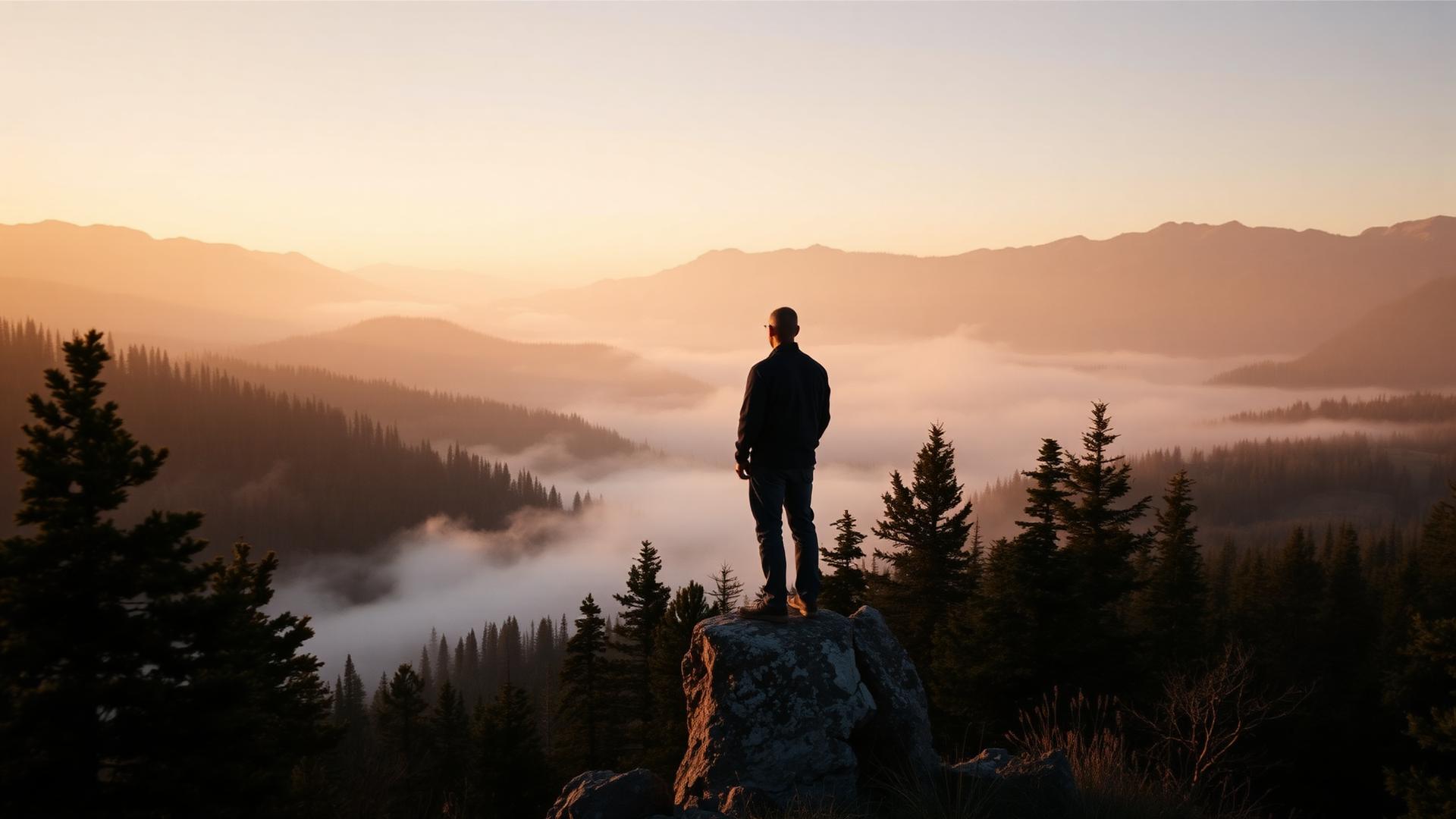
I fell in love with digital landscapes
before I trusted a brush.
This is the story of what I build for artists, why landscapes show up in almost everything I make, and why I think traditional fine art and AI-inspired nature work belong in the same room — if the room is built with love and intention.
Nature came first. Everything else is translation.
Before there was Artist Growth System, there wasDigital-Landscaper— built from a quiet practice of listening to the natural world and translating what it teaches. Nature is our greatest teacher. When we step into a landscape that operates in high coherence and order, we move beyond the conditioned, limited, often chaotic hum of daily life. Its intelligence is potent and orderly — it shifts our energy, softens stress, and creates the conditions for healing.
I'm from Colorado. I grew up in the shadow of mountains that make you quiet. When I started making images, I wasn't chasing a view — I was trying to bottle that coherence: the golden hour on a ridgeline, the hush after a snowfall, the specific stillness of an alpine lake at 4:47 a.m. Every frame is an attempt to bring a little of nature's order back into a room.
That's the through-line of everything I do now. Art and nature heal — and artists are the ones who carry that medicine into homes, studios, and lives. My job is to build the room carefully enough that their work isn't fighting the frame, so the coherence survives the trip from the trailhead to the wall.
"Nature is our greatest teacher… its intelligence is potent and orderly; it shifts our energy, reduces stress, and creates the conditions for healing."
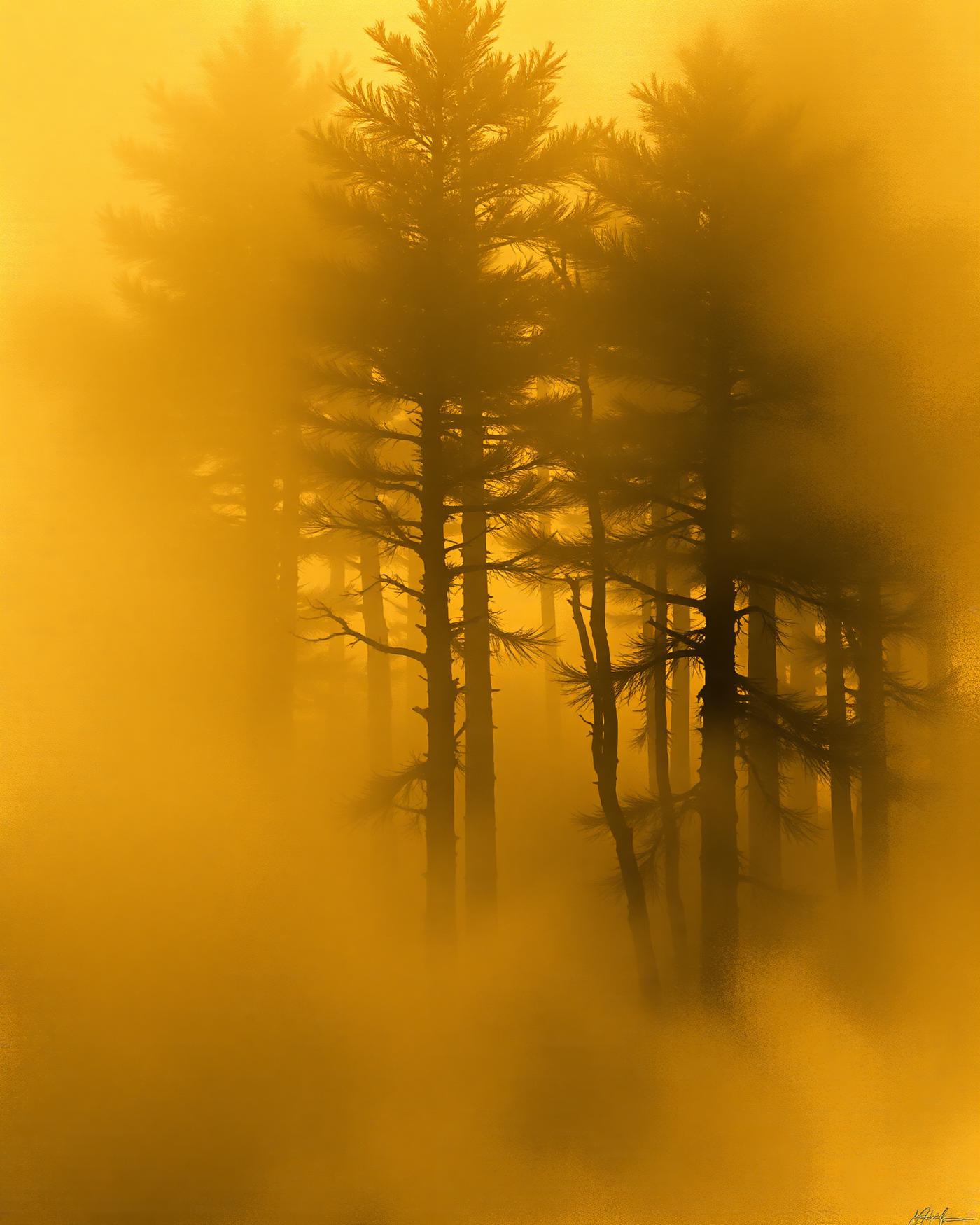
Two hands. One wall.
Here's the part I have to say out loud, because dodging it would be worse: some of my nature work is painted by hand, and some of it is made in dialogue with AI models trained to render light and atmosphere. Both are mine. Both are labor. Neither pretends to be the other.
This is a fragile path. Traditional collectors worry about provenance. AI-native audiences worry about honesty. Artists worry about the future of their craft. I take all three worries seriously — that's exactly why I'm building the house I'm building.
A room where the traditional oil hangs beside the generative print, each one labeled truthfully, each one honored on its own terms. That's the room.
The AI & Art Forum — open to collectors and artists
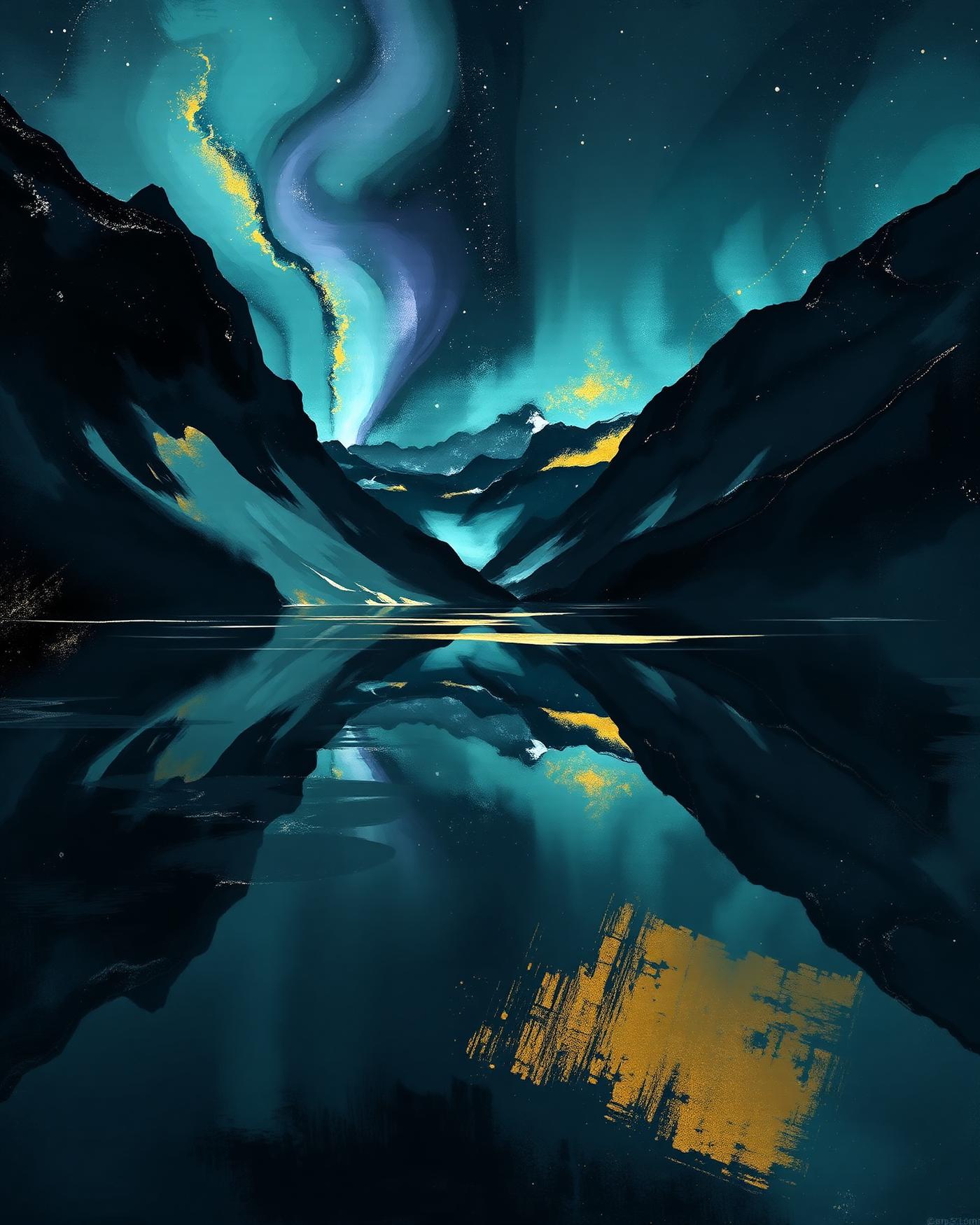
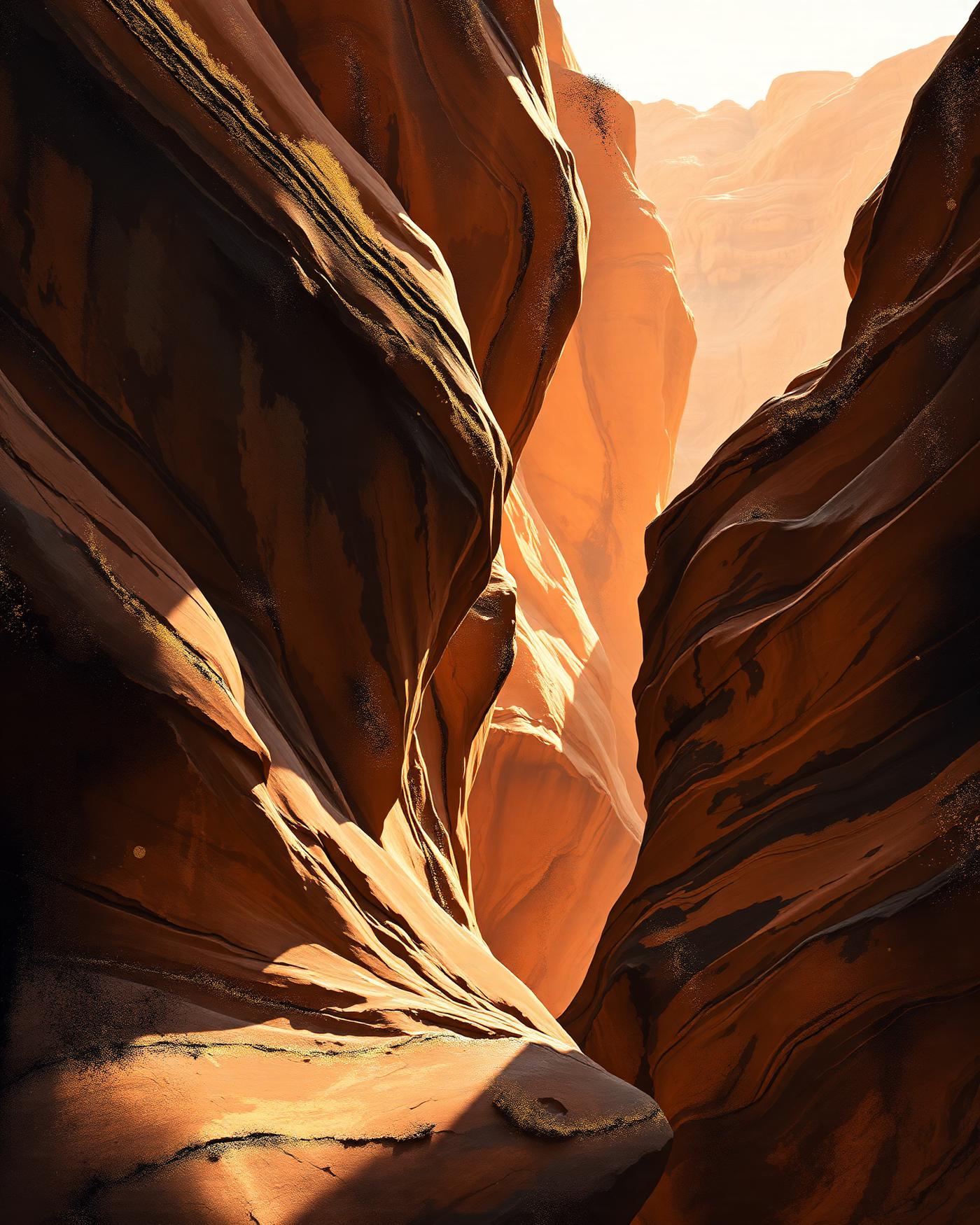
I stopped making the wall.
I started building the room.
A working painter I know — Ron Marchelletta — was running his studio across four platforms that didn't talk. Wordpress for the gallery, a print shop bolted on, Squarespace for the Airbnb studio, Mailchimp for a list he hadn't touched in a year. He was spending his mornings copying invoices instead of painting.
He became the first believer. Artist Growth System is the room I built for him, then rebuilt so it could hold the next one, and the next. Every studio on the platform is white-labeled — their domain, their voice, their collectors. My name never touches their wall.
And then — quietly, this season — The Flagship Collection. A private collection of museum-grade wildlife oils, the kind of legacy body of work that gives a house its gravity. Joining the house this season.
Four rules. Nothing else.
Human-made work is presented with the craft it deserves — full-bleed, high-fidelity, uncrowded.
Every original is traceable. Every collector is on the record. No mystery hands.
When a work is AI-generated or AI-assisted, we say so — plainly, without apology or hype.
No dark patterns. No fake scarcity. No selling your inbox. The circle stays small on purpose.
Which side of the wall are you on?
Join the Circle
Early previews from the roster. Studio-visit priority. Editorial dispatches when there's something worth saying.
Apply to the Roster
Personally reviewed. Onboarded in weeks, not months. Your domain, your voice, your collectors — always.
— JOE JACKSON CREATIVE · ARVADA, COLORADO